Skip the Germs: Everyday Hygiene, Germ Prevention, and Healthy Living Guide
Introduction to Skip the Germs
Skip the germs is an important concept that highlights the value of cleanliness, personal hygiene, and healthy habits in everyday life. Germs are microscopic organisms that exist almost everywhere, including homes, schools, workplaces, restaurants, public transport, shopping centres, and outdoor environments. While many microorganisms are harmless or even beneficial, others can cause infections and illnesses that affect people’s health and quality of life. Understanding how germs spread and learning how to prevent their transmission can help individuals and families maintain healthier surroundings.
The idea behind skip the germs is simple: take practical steps to reduce contact with harmful microorganisms and prevent their spread. It does not mean avoiding every germ or trying to create a completely sterile environment. Instead, it encourages people to follow sensible hygiene practices, such as washing their hands, cleaning frequently touched surfaces, handling food safely, and maintaining personal cleanliness.
Everyday activities create opportunities for microorganisms to move between people and surfaces. Touching door handles, using public facilities, preparing meals, sharing equipment, and travelling on public transportation are all normal parts of modern life. However, people can reduce many avoidable health risks by developing consistent hygiene routines.
Skip the germs is also about awareness and responsibility. When individuals understand the importance of cleanliness, they can protect themselves while helping their families, friends, colleagues, and communities maintain healthier environments. Simple actions performed regularly can make a meaningful difference.
Understanding What Germs Are
Germs are tiny microorganisms that cannot normally be seen with the naked eye. They include bacteria, viruses, fungi, and certain parasites. Each type has different characteristics, and not all microorganisms are harmful to humans.
Bacteria are single-celled organisms that exist in many environments, including soil, water, food, and the human body. Some bacteria support digestion and other important biological processes. Others can cause infections and foodborne illnesses.
Viruses are different from bacteria because they need living host cells to reproduce. They can spread through respiratory particles, direct contact, contaminated surfaces, and other routes, depending on the particular virus. Common respiratory illnesses are examples of infections caused by viruses.
Fungi include moulds and yeasts. Some fungi are useful in food production and natural processes, while others can cause infections affecting the skin, nails, or other parts of the body.
Parasites are organisms that live on or inside another organism. Some can enter the human body through contaminated food, unsafe water, insect bites, or contact with infected environments.
Understanding these different microorganisms helps people make better hygiene decisions. Since germs do not all spread in the same way, preventing infections requires a combination of practical habits.
Why Skip the Germs Is Important for Everyday Health
Maintaining good hygiene is an important part of protecting personal and public health. Throughout the day, people come into contact with shared surfaces, other individuals, food products, and different environments. These interactions can create opportunities for harmful microorganisms to spread.
One of the main reasons skip the germs matters is that many common infections can be reduced through basic preventive measures. Washing hands before eating, keeping food preparation areas clean, and avoiding unnecessary sharing of personal hygiene products are simple examples.
Good hygiene is particularly important in places where many people gather. Schools, hospitals, shopping centres, offices, restaurants, and public transport facilities require regular cleaning and responsible behaviour.
Another important benefit is developing awareness. People who understand how infections spread are more likely to make informed decisions when preparing food, caring for children, visiting public places, or looking after someone who is sick.
Although hygiene cannot prevent every illness, it can reduce certain risks and contribute to a healthier lifestyle.
Handwashing: The First Step to Skip the Germs
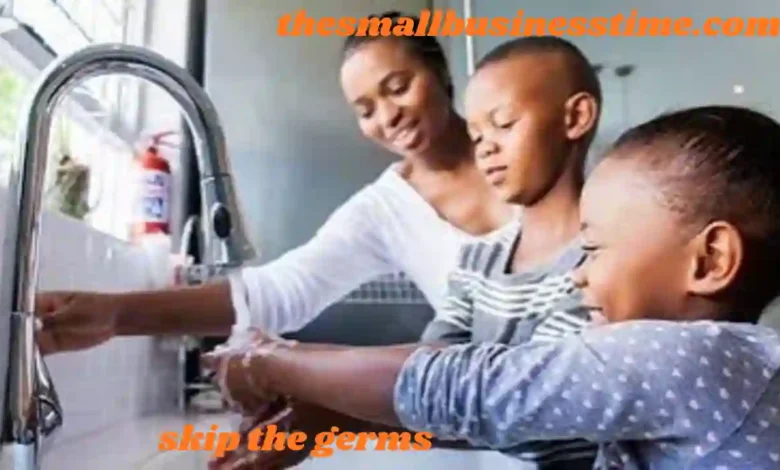
Handwashing is one of the simplest and most effective ways to reduce the spread of many infectious diseases. Hands touch numerous objects throughout the day, including mobile phones, keyboards, door handles, shopping baskets, money, and public surfaces.
When someone touches a contaminated object and then touches their eyes, nose, or mouth, certain microorganisms may enter the body. Proper handwashing helps remove dirt, oils, and many microorganisms from the skin.
A good handwashing routine begins by wetting the hands with clean running water. Soap should then be applied to both palms. Individuals should rub their hands together, paying attention to the backs of their hands, between their fingers, around their thumbs, and underneath their fingernails.
The complete process should take approximately 20 seconds before rinsing thoroughly with clean water and drying with a clean towel or air dryer.
People should wash their hands before preparing food, before eating, after using the toilet, after coughing or sneezing, after handling rubbish, and after caring for someone who is sick.
When soap and water are unavailable, an alcohol-based hand sanitiser containing at least 60% alcohol can be useful. However, sanitiser may be less effective when hands are visibly dirty or greasy.
Making handwashing a regular habit is one of the most practical ways to follow the skip the germs approach.
Skip the Germs at Home With Proper Cleaning Habits
A clean home provides a more comfortable environment and helps reduce exposure to certain harmful microorganisms. Different rooms require different cleaning routines because household activities vary from one area to another.
The kitchen is one of the most important places to maintain. Worktops, chopping boards, sinks, taps, refrigerator handles, and cooking equipment should be cleaned regularly. Raw meat and other potentially contaminated foods must be handled separately from ready-to-eat meals.
Bathrooms also need regular attention. Toilet seats, flush handles, taps, washbasins, shower areas, and other frequently touched surfaces should be cleaned using appropriate household products.
Living rooms and bedrooms should not be ignored. Remote controls, mobile phones, keyboards, light switches, tables, and door handles are used regularly and may accumulate dirt and microorganisms.
Laundry is another essential part of household hygiene. Towels, bedding, and clothing should be washed regularly, especially when they become dirty or are used by someone experiencing an infectious illness.
It is not necessary to clean every surface constantly. The goal is to develop a manageable routine that keeps important areas hygienic without making household cleaning stressful.
Food Safety and Kitchen Hygiene
Food safety plays an important role in preventing infections because contaminated food can cause digestive illnesses and food poisoning. Harmful microorganisms may enter food during production, transportation, storage, preparation, or serving.
One important practice is separating raw foods from cooked and ready-to-eat products. Raw chicken, meat, and seafood should not come into contact with salads, fruits, cooked meals, or other foods that will not receive additional cooking.
Using separate chopping boards and utensils can reduce cross-contamination. Kitchen surfaces should also be cleaned after preparing raw ingredients.
Fresh fruits and vegetables should be washed under clean running water before eating or cooking. However, washing does not remove every harmful microorganism, so proper food storage and preparation remain necessary.
Temperature control is equally important. Perishable foods should be refrigerated promptly, and frozen products should be thawed safely. Meat, poultry, seafood, and dishes containing eggs should be cooked thoroughly.
People should also pay attention to expiration dates, storage instructions, damaged packaging, and signs of spoilage. Food that appears unsafe should not be consumed.
Keeping hands, utensils, containers, and preparation areas clean makes the kitchen safer and supports the skip the germs philosophy.
Personal Hygiene and Daily Germ Prevention
Personal hygiene includes everyday activities that help keep the body clean and support general health. These habits include bathing, brushing teeth, washing hands, wearing clean clothes, and maintaining healthy skin and nails.
Regular bathing helps remove sweat, dirt, and accumulated oils from the skin. The frequency may depend on weather, physical activity, personal needs, and lifestyle.
Oral hygiene is another important part of personal cleanliness. Brushing teeth twice daily with fluoride toothpaste and cleaning between teeth helps maintain healthy gums and teeth.
People should also avoid sharing personal hygiene products unnecessarily. Toothbrushes, razors, towels, and similar items should generally remain personal possessions because they may transfer microorganisms between individuals.
Keeping fingernails reasonably short and clean can also help reduce the accumulation of dirt underneath them.
Clean clothing and regularly washed towels contribute to personal comfort and hygiene. These habits are particularly useful for people who exercise regularly, work outdoors, or spend time in crowded environments.
The best approach is consistency. Small actions performed every day can become natural parts of a healthy routine.
Skip the Germs in Schools and Educational Institutions
Schools are environments where children, teachers, and other staff members interact throughout the day. Classrooms contain shared desks, chairs, books, computers, sports equipment, and other objects that may be touched by many people.
Because children are still developing their understanding of personal hygiene, educational institutions have an important role in teaching healthy habits.
Students should learn to wash their hands before meals, after using the toilet, and after outdoor activities. Teachers can also explain why covering coughs and sneezes is important.
Classroom surfaces should be cleaned regularly, particularly frequently touched objects such as desks, door handles, keyboards, and shared learning equipment.
Schools should provide access to clean toilets, soap, safe drinking water, and suitable handwashing facilities.
Students who feel unwell should inform their parents, guardians, or teachers. Following appropriate illness policies can help prevent infections from spreading throughout classrooms.
Skip the germs in schools is about creating a culture of cleanliness, responsibility, and health awareness that children can carry into adulthood.
Workplace Hygiene and Germ Prevention
Workplaces bring people together for several hours every day. Offices, factories, shops, restaurants, and other business environments contain shared spaces and equipment that require appropriate cleaning.
Employees can contribute to a healthier workplace by keeping their desks clean, washing their hands regularly, and avoiding unnecessary sharing of personal items.
Shared kitchens and break rooms deserve particular attention. Refrigerators, microwaves, coffee machines, worktops, and eating areas should be maintained properly.
Indoor ventilation is also important. Fresh air circulation can help reduce the concentration of some airborne infectious particles. Businesses can support better indoor air quality by maintaining ventilation systems and using suitable filtration where appropriate.
Employers should also establish reasonable sickness policies. Employees who are experiencing contagious illnesses should follow workplace guidance and avoid exposing colleagues unnecessarily.
A hygienic workplace supports employee comfort, encourages responsible behaviour, and contributes to a healthier working environment.
Understanding Airborne Germs and Respiratory Hygiene
Some infectious microorganisms spread through respiratory particles released when an infected person breathes, speaks, coughs, or sneezes.
These particles can remain in indoor air, particularly in crowded or poorly ventilated environments. The likelihood of transmission may increase when people spend extended periods together in enclosed spaces.
Respiratory hygiene is therefore an important part of skip the germs. People should cover coughs and sneezes with a tissue or their elbow. Used tissues should be disposed of properly, followed by handwashing.
Ventilation can also help reduce the concentration of infectious particles indoors. Opening suitable windows, maintaining ventilation equipment, and using appropriate air filtration systems may improve indoor air quality.
People experiencing contagious respiratory illnesses should consider staying home when possible and following relevant health guidance.
Masks may provide additional protection in certain situations, including crowded indoor environments and healthcare settings.
Combining these precautions can reduce the risk of respiratory infection transmission.
Skip the Germs While Travelling and Using Public Transport
Travelling exposes people to different environments, shared facilities, and frequently touched surfaces. Airports, railway stations, buses, taxis, hotels, and shopping centres can all bring individuals into contact with large numbers of people.
Travellers can maintain better hygiene by carrying tissues and hand sanitiser. Washing hands after using public facilities and before eating is particularly important.
Passengers should avoid touching their eyes, nose, and mouth unnecessarily after holding shared handrails, ticket machines, or door handles.
Hotels and temporary accommodation also require attention. Travellers should check that rooms and bathrooms appear clean, use personal hygiene products responsibly, and avoid sharing towels with strangers.
Food and drinking water safety should also be considered when visiting unfamiliar destinations. Choosing hygienic food preparation environments and drinking safe water can help prevent digestive illnesses.
Skip the germs while travelling means staying prepared and maintaining practical hygiene habits throughout a journey.
The Role of Children and Families in Germ Prevention
Families play an important role in developing healthy hygiene habits because children often learn by observing adults.
Parents can encourage children to wash their hands before eating, after using the toilet, and after playing outdoors. Brushing teeth regularly and keeping personal belongings clean should also become part of their daily routines.
Young children frequently touch toys, playground equipment, floors, and other surfaces. Parents should clean shared toys when appropriate, especially when several children use the same objects.
Families should also understand that not every microorganism is harmful. Children naturally encounter microorganisms through ordinary activities, and there is no need to eliminate every germ from their environment.
The main goal is to prevent avoidable exposure to harmful microorganisms while maintaining reasonable household cleanliness.
When parents demonstrate responsible hygiene habits, children are more likely to develop similar behaviours and continue practising them as they grow older.
Common Hygiene Mistakes That Allow Germs to Spread
Many people understand the importance of cleanliness but still make mistakes that reduce the effectiveness of their hygiene routines.
One common mistake is washing hands too quickly. A brief rinse without soap may not remove enough dirt and microorganisms. Proper handwashing requires cleaning all areas of the hands.
Another mistake is using the same cleaning cloth for different surfaces without washing it properly. This can transfer contaminants from one area to another.
Some people also assume that a surface is completely safe because it looks clean. However, microorganisms are too small to see with the naked eye, so visible cleanliness does not always indicate that a surface is free from harmful germs.
Sharing personal hygiene products is another avoidable mistake. Towels, razors, toothbrushes, and similar objects should generally remain personal items.
Incorrect food storage can also create problems. Leaving perishable foods at room temperature for extended periods may allow harmful microorganisms to multiply.
Finally, people sometimes focus entirely on surface cleaning while ignoring ventilation and respiratory hygiene. Both environmental cleanliness and indoor air quality are important.
Recognising these mistakes makes the skip the germs approach more effective and practical.
Natural Cleaning Habits and Responsible Use of Disinfectants
Maintaining a clean environment does not always require strong chemical products. Regular cleaning with suitable detergents and water can remove dirt and many microorganisms from surfaces.
However, cleaning and disinfecting are different processes. Cleaning physically removes dirt and contaminants, while disinfecting uses specific products to kill certain microorganisms.
Disinfection may be appropriate in bathrooms, healthcare environments, and areas contaminated by bodily fluids.
People should always follow the instructions provided on cleaning products. They should never mix household chemicals unless the manufacturer specifically confirms that doing so is safe.
Mixing bleach with ammonia or acidic products can release dangerous gases. Cleaning products should also be stored away from children and pets.
Natural ingredients such as vinegar may be useful for certain household cleaning tasks, but they should not automatically be considered effective disinfectants.
Responsible cleaning means choosing suitable products, using them safely, and avoiding unnecessary chemical exposure.
Skip the Germs and Maintain a Healthy Immune System
The immune system helps the body recognise and respond to harmful microorganisms. Although hygiene can reduce certain exposure risks, maintaining overall health is another important part of infection prevention.
A balanced diet containing fruits, vegetables, whole grains, protein sources, and healthy fats supports normal body functions. Eating a variety of nutritious foods helps provide essential vitamins and minerals.
Regular physical activity also contributes to overall well-being. Walking, cycling, swimming, and other suitable exercises can support physical fitness.
Sleep is equally important. Children and teenagers generally need more sleep than adults, while adults commonly need around seven to nine hours each night.
Drinking enough safe water helps maintain normal bodily functions, particularly during hot weather and physical activity.
Vaccination is another valuable method of protecting against specific infectious diseases. Individuals should follow appropriate vaccination recommendations from qualified healthcare professionals.
Good hygiene, balanced nutrition, physical activity, adequate sleep, and recommended vaccinations work together to support health. None of these practices guarantees complete protection against illness, but they contribute to a sensible prevention strategy.
The Importance of Clean Public Spaces and Community Awareness
Public spaces are shared by people of different ages and backgrounds. Parks, shopping centres, restaurants, libraries, sports facilities, and public toilets all require responsible maintenance.
Communities can support better hygiene by providing clean public facilities, maintaining waste disposal systems, ensuring access to safe drinking water, and encouraging regular cleaning of shared environments.
Public awareness campaigns can also educate people about handwashing, food safety, respiratory hygiene, and responsible illness prevention.
Businesses and local authorities have an important responsibility to maintain suitable sanitation facilities. Individuals can contribute by disposing of rubbish correctly and respecting shared spaces.
Community cleanliness is not the responsibility of one person alone. It requires cooperation between households, schools, employers, healthcare providers, businesses, and public institutions.
Skip the germs can therefore represent a shared commitment to creating healthier public environments.
How Technology Can Support Better Hygiene Practices
Technology has made it easier to maintain cleanliness in homes, workplaces, hospitals, and public facilities.
Touch-free soap dispensers and automatic taps reduce the need to touch certain shared surfaces. These systems can be particularly useful in busy public washrooms, healthcare facilities, restaurants, and commercial buildings.
Air quality monitors can provide information about indoor environmental conditions, including carbon dioxide levels and particulate matter. Although they cannot identify every infectious microorganism, they can help organisations understand ventilation conditions.
Businesses may also use digital cleaning schedules to organise responsibilities and record when specific areas were last cleaned.
In healthcare facilities, specialised equipment and infection control systems help professionals follow appropriate hygiene procedures.
Technology cannot replace personal responsibility, but it can make maintaining cleanliness more convenient and organised.
Creating a Simple Daily Skip the Germs Routine
Developing a practical hygiene routine does not need to be complicated. The most effective habits are often those that people can maintain consistently.
In the morning, individuals can begin by brushing their teeth, washing their faces, and wearing clean clothes. Before preparing breakfast, washing hands helps reduce the transfer of microorganisms to food.
During the day, people should wash their hands after using the toilet, before eating, after handling rubbish, and whenever their hands become visibly dirty.
At home, kitchen surfaces should be cleaned after food preparation, while bathrooms and frequently touched surfaces should receive regular attention.
Before sleeping, individuals can follow their usual personal hygiene routine and prepare clean clothing for the next day.
A practical daily checklist includes:
- Wash hands with soap at important times.
- Brush teeth twice daily.
- Keep personal towels and hygiene products separate.
- Wash fruits and vegetables before preparation.
- Store perishable foods safely.
- Clean frequently touched household surfaces.
- Cover coughs and sneezes responsibly.
- Keep kitchens and bathrooms hygienic.
- Maintain clean clothing and bedding.
- Stay home when unwell, when appropriate.
Following these simple steps can make hygiene a natural part of everyday life.
Skip the Germs Without Becoming Obsessed With Cleanliness
Although hygiene is important, people should maintain a balanced attitude towards germs. Not every microorganism is harmful, and avoiding all contact with the natural environment is neither realistic nor necessary.
People encounter microorganisms through ordinary activities such as gardening, playing outdoors, interacting with animals, and spending time in nature.
Excessive cleaning and unnecessary disinfectant use may create problems, including skin irritation, chemical exposure, and environmental effects.
A sensible approach focuses on situations where hygiene provides clear benefits. Washing hands before eating, cleaning food preparation areas, maintaining safe drinking water, and following healthcare advice are practical priorities.
The skip the germs message should encourage awareness rather than fear. People can maintain good hygiene without trying to eliminate every microorganism from their surroundings.
The Future of Germ Prevention and Hygiene Awareness
Infection prevention is likely to remain an important part of public health education. Greater awareness of respiratory illnesses, food safety, healthcare-associated infections, and environmental sanitation continues to encourage better hygiene practices.
Healthcare organisations, schools, businesses, and governments can improve public understanding by providing clear information and accessible hygiene facilities.
New technologies may also improve how communities monitor indoor air quality, manage sanitation systems, and maintain shared spaces.
Education will remain equally important. Children who learn proper hygiene at an early age can carry those habits into adulthood. Businesses that prioritise workplace cleanliness can help protect employees and visitors. Families that establish sensible household routines can reduce avoidable exposure to harmful microorganisms.
The future of skip the germs is not about creating completely sterile environments. It is about using knowledge, practical habits, and responsible technology to make everyday surroundings healthier.
Conclusion: Make Skip the Germs a Part of Everyday Life
Skip the germs is more than a simple hygiene phrase. It represents an everyday commitment to cleanliness, health awareness, and responsible behaviour. From washing hands and preparing food safely to maintaining clean homes, schools, workplaces, and public spaces, small actions can help reduce the spread of harmful microorganisms.
Understanding how bacteria, viruses, fungi, and parasites spread allows people to make better decisions about personal hygiene and environmental cleanliness. Regular handwashing, appropriate surface cleaning, safe food handling, respiratory hygiene, and proper ventilation are all valuable parts of an effective prevention routine.
Families, students, employees, businesses, and communities can contribute to healthier surroundings. The most important thing is consistency. Simple habits become more effective when people practise them regularly and encourage others to do the same.
It is also important to remember that not every germ is dangerous. A balanced approach avoids unnecessary fear while focusing on practical measures that protect health.
Ultimately, skip the germs is about prevention, awareness, and healthier everyday habits. A little attention to cleanliness can make a meaningful difference, helping individuals and communities enjoy safer and healthier daily lives.
Frequently Asked Questions (FAQs)
1. What Does Skip the Germs Mean?
Skip the germs refers to practising good personal hygiene and taking sensible precautions to reduce exposure to harmful microorganisms. It includes handwashing, safe food preparation, cleaning frequently touched surfaces, and maintaining healthy daily habits.
2. What Is the Best Way to Skip the Germs?
Regular handwashing with soap and clean running water is one of the most effective ways to reduce the spread of many germs. Combining handwashing with food safety, respiratory hygiene, and regular cleaning provides additional protection.
3. How Often Should You Wash Your Hands?
You should wash your hands before preparing or eating food, after using the toilet, after coughing or sneezing, after handling rubbish, and whenever they become visibly dirty. Proper handwashing should take approximately 20 seconds.
4. Can Cleaning Your Home Prevent Germs?
Regular household cleaning helps remove dirt and many microorganisms from surfaces. Paying attention to kitchens, bathrooms, door handles, worktops, and other frequently touched areas can support a healthier home environment.
5. Why Is Skip the Germs Important for Children?
Children regularly interact with classmates, toys, playground equipment, and shared surfaces. Teaching them proper handwashing, personal hygiene, and responsible coughing and sneezing habits helps reduce the spread of infections and encourages lifelong healthy behaviour.
ALSO READ :Foenegriek: Complete Guide to Its Meaning, Benefits, Uses, Nutrition, and Traditional Importance