Foenegriek: Complete Guide to Its Meaning, Benefits, Uses, Nutrition, and Traditional Importance
Introduction to Foenegriek
Foenegriek is a traditional herb and spice that has attracted attention for centuries because of its distinctive flavour, nutritional composition, and wide range of culinary applications. Known as fenugreek in English, foenegriek is commonly used in different parts of the world, particularly in South Asian, Middle Eastern, Mediterranean, and North African cooking. Its seeds and fresh leaves are both valued ingredients, although they have different flavours and uses. While the seeds offer a slightly bitter, nutty, and maple-like taste, the leaves provide a distinctive herbal aroma that can add depth to numerous dishes.
The popularity of foenegriek comes from its combination of traditional importance and everyday usefulness. It is not simply another kitchen spice. For generations, households have included it in cooking, herbal preparations, and traditional wellness practices. Today, people continue to explore foenegriek because it contains dietary fibre, plant-based compounds, minerals, and other naturally occurring substances that contribute to its nutritional profile. It is available in several forms, including whole seeds, ground powder, dried leaves, fresh leaves, capsules, and herbal preparations.
Understanding foenegriek requires looking beyond its reputation as a traditional remedy. Its actual characteristics, nutritional composition, culinary applications, and possible health effects all deserve attention. Although some scientific research has investigated its potential benefits, not every traditional claim has been confirmed by strong clinical evidence. Knowing the difference between established nutritional facts and unproven health claims can help people make more informed decisions about using this versatile ingredient.
What Is Foenegriek?
Foenegriek is the Dutch name for fenugreek, a plant scientifically known as Trigonella foenum-graecum. It belongs to the legume family, Fabaceae, which also includes peas, lentils, chickpeas, and beans. The plant is generally recognised by its small green leaves, delicate flowers, and long pods containing yellowish-brown seeds. These seeds are the most commonly used part of the plant in cooking and traditional preparations.
The foenegriek plant grows in different climates and has a long history of cultivation across regions of Asia, the Mediterranean, and parts of Africa. Its ability to grow in relatively varied conditions has helped make it an important agricultural and culinary plant. Depending on the climate, soil, and growing method, its appearance and development may vary slightly. However, the distinctive seeds and aromatic leaves remain its most recognisable features.
One interesting characteristic of foenegriek is that different parts of the same plant offer different culinary experiences. Fresh leaves are often cooked as vegetables or incorporated into sauces, while dried leaves are used as a seasoning. The seeds are frequently toasted, soaked, ground, or added whole to recipes. This versatility explains why foenegriek has remained relevant in kitchens across generations.
The Origin and History of Foenegriek
Foenegriek has a long agricultural and cultural history. Historical records and archaeological evidence indicate that fenugreek was known and used in ancient civilisations, particularly around the Mediterranean and parts of Asia. Its seeds were valued as food ingredients, and the plant gradually became established in different culinary and traditional practices.
Ancient communities used plants according to their availability, flavour, storage properties, and perceived usefulness. Foenegriek offered several practical advantages. Its seeds could be dried and stored for extended periods, making them convenient ingredients for households. Its leaves could also be harvested and prepared as part of everyday meals. Over time, traders and travellers helped introduce the plant to additional regions, where local communities incorporated it into their own food traditions.
In South Asia, foenegriek became particularly important in traditional cooking. Indian and Pakistani cuisines use both the seeds and leaves in numerous preparations. It is also associated with traditional systems of herbal knowledge, where it has been included in different household preparations. In Mediterranean and Middle Eastern food traditions, fenugreek has also appeared in spice mixtures, breads, sauces, and regional dishes.
Its history demonstrates how a single plant can become important across different cultures. Although cooking methods and traditional beliefs differ between regions, the distinctive flavour and adaptability of foenegriek have helped preserve its popularity.
Different Forms of Foenegriek
Foenegriek is available in several forms, and each has its own characteristics. Choosing the right form depends on the intended recipe, personal preference, and availability.
Whole Foenegriek Seeds
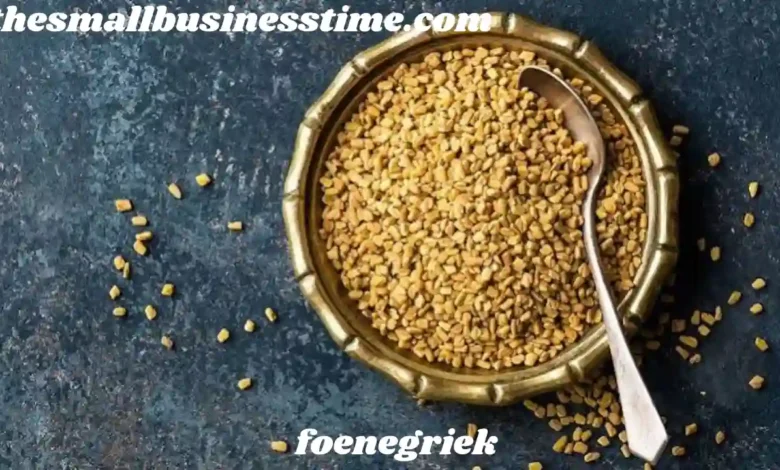
Whole seeds are one of the most common forms of foenegriek. They are small, hard, and yellowish-brown, with a slightly bitter flavour and a distinctive aroma. Whole seeds are often used in tempering, pickles, spice blends, curries, and vegetable preparations.
When heated in oil, the seeds release aromatic compounds that contribute to the overall flavour of a dish. However, they should be cooked carefully because excessive heating can make their bitterness more noticeable. Some recipes recommend soaking them before cooking to soften their texture and reduce their sharp flavour.
Ground Foenegriek Powder
Ground foenegriek powder is produced by grinding dried seeds. It is convenient for recipes that require an evenly distributed spice rather than whole seeds. It can be included in curry powders, marinades, sauces, seasoning blends, and certain traditional preparations.
Because ground spices have a larger exposed surface area, they can lose their aroma more quickly than whole seeds. Keeping the powder in an airtight container away from heat and moisture helps maintain its quality.
Fresh Foenegriek Leaves
Fresh foenegriek leaves are commonly known as methi in South Asian cooking. They have a green appearance and a distinctive slightly bitter taste. They are frequently cooked with potatoes, lentils, vegetables, and other ingredients.
Fresh leaves are particularly popular in homemade meals because they provide both flavour and texture. They can be chopped and added to dough, mixed into vegetable preparations, or cooked as a standalone dish.
Dried Foenegriek Leaves
Dried foenegriek leaves are commonly called kasuri methi in Indian and Pakistani kitchens. They have a concentrated aroma and are often added near the end of cooking. Crushing the dried leaves between the fingers before adding them to a dish helps release their fragrance.
They are particularly useful in creamy curries, vegetable dishes, lentil preparations, and sauces. Even a small quantity can noticeably change the aroma of a recipe.
Nutritional Value of Foenegriek
Foenegriek seeds contain a combination of carbohydrates, dietary fibre, protein, fats, and naturally occurring plant compounds. Their exact nutritional composition depends on the variety, growing conditions, processing method, and serving size.
One of the most notable components of foenegriek is dietary fibre. The seeds contain soluble and insoluble fibre, including galactomannan, a type of soluble polysaccharide. This substance absorbs water and contributes to the characteristic texture of preparations made with ground or soaked seeds.
Foenegriek also contains plant-based protein and smaller quantities of naturally occurring minerals. These include iron, magnesium, manganese, and other nutrients. However, the amount a person receives depends on how much is consumed and how the ingredient is prepared.
Another important nutritional characteristic is the presence of bioactive plant compounds. Fenugreek seeds contain substances such as saponins, flavonoids, and other phytochemicals. Researchers have investigated some of these compounds because of their possible biological activities.
It is important to remember that foenegriek is generally consumed in relatively small culinary quantities. Although it contains useful nutrients, it should not be considered a replacement for a varied diet containing vegetables, fruits, whole grains, legumes, and other nutrient-rich foods.
Potential Health Benefits of Foenegriek
Foenegriek has been studied for several possible health effects. Some research suggests that certain preparations may influence blood glucose regulation, cholesterol measurements, and digestive processes. Nevertheless, the quality and size of available studies vary, and results cannot automatically be applied to every person or every form of foenegriek.
1. Dietary Fibre and Digestive Health
Dietary fibre is an important part of a balanced eating pattern because it supports normal digestive function. Foenegriek seeds contain soluble fibre that absorbs water and can influence the texture and movement of digestive contents.
Including fibre-containing foods in everyday meals may help support regular bowel movements and overall digestive health. Foenegriek can contribute a small amount of dietary fibre when consumed as part of an appropriate diet.
However, consuming large quantities suddenly may cause bloating, gas, abdominal discomfort, or diarrhoea in some individuals. People who are not accustomed to fibre-rich foods should increase their intake gradually and maintain adequate hydration.
2. Blood Sugar Research
One of the most frequently investigated areas of foenegriek research involves blood glucose regulation. Some clinical studies have examined whether fenugreek seeds or concentrated preparations can influence blood sugar measurements in people with diabetes or other metabolic concerns.
Researchers have suggested that soluble fibre and other naturally occurring compounds may contribute to these effects. However, research findings are not completely consistent, and the results depend on the preparation, dosage, study population, and duration.
Foenegriek should never replace prescribed diabetes medication, medical advice, or an established treatment plan. People who use blood-sugar-lowering medicines should consult a healthcare professional before taking concentrated fenugreek supplements because combining them may increase the risk of low blood sugar.
3. Cholesterol and Heart Health Research
Foenegriek has also been investigated for its possible influence on blood lipid levels, including total cholesterol and triglycerides. Some research has reported improvements in certain measurements among participants using particular fenugreek preparations.
Soluble fibre is one possible explanation for these observations. Fibre can influence the absorption and movement of substances within the digestive system. Other plant compounds may also contribute to the effects observed in laboratory and clinical research.
However, these findings do not establish foenegriek as a treatment for heart disease. A heart-supportive lifestyle still depends on balanced nutrition, regular physical activity, appropriate sleep, and medical management of individual risk factors.
4. Appetite and Feeling of Fullness
The fibre content of foenegriek has attracted interest in research examining appetite and feelings of fullness. Soluble fibre can absorb water and increase the volume of digestive contents, potentially influencing how full a person feels after eating.
Some people include soaked seeds or fenugreek-containing meals in their diets because of this property. Nevertheless, evidence that foenegriek consistently produces meaningful weight loss is limited.
Healthy weight management requires an overall approach that considers food quality, portion sizes, physical activity, sleep, and individual health circumstances. No single spice can replace these habits.
5. Traditional Uses for Breastfeeding
Foenegriek has traditionally been used in some communities as a galactagogue, meaning a substance believed to increase breast milk production. It is available in certain herbal products marketed for breastfeeding mothers.
However, scientific findings are mixed, and there is insufficient reliable evidence to recommend it as a guaranteed way to increase milk supply. Breastfeeding difficulties can have several causes, including feeding technique, infant latch, and underlying medical issues.
Breastfeeding mothers should speak with a qualified healthcare professional or lactation specialist before using concentrated fenugreek products. Herbal products can have side effects and may not be appropriate for everyone.
6. Antioxidant Compounds
Foenegriek contains several naturally occurring plant compounds that have demonstrated antioxidant activity in laboratory research. Antioxidants are substances that can help protect biological molecules from oxidative damage under certain conditions.
Flavonoids and other phytochemicals found in plants are commonly investigated for their potential biological roles. Fenugreek has therefore attracted attention among researchers interested in plant-based compounds and nutrition.
However, laboratory antioxidant activity does not automatically demonstrate a specific health benefit in humans. More carefully designed clinical research is necessary to understand how these compounds behave after consumption.
Culinary Uses of Foenegriek Around the World
Foenegriek is an important ingredient in many regional food traditions. Its flavour is distinctive, so it is often used in controlled quantities to complement other spices and ingredients.
Foenegriek in Pakistani Cuisine
In Pakistan, foenegriek is familiar in both seed and leaf forms. Fresh methi is commonly cooked with potatoes, meat, lentils, and other vegetables. Methi aloo is a popular example of a preparation that combines the slightly bitter taste of fenugreek leaves with the mild flavour of potatoes.
Fenugreek seeds are also used in pickles, spice mixtures, and traditional curries. They can be combined with mustard seeds, cumin, coriander, turmeric, and other spices to create complex flavours.
Dried leaves are frequently added to gravies and vegetable dishes. Their concentrated aroma makes them useful for finishing recipes that require a distinctive herbal note.
Foenegriek in Indian Cooking
Indian cuisine uses foenegriek in a wide variety of dishes. Seeds may be added to tempering mixtures, curry bases, pickles, and spice blends. Fresh leaves are used in methi paratha, methi dal, vegetable curries, and other traditional meals.
Dried fenugreek leaves are especially valued in restaurant-style cooking. They are often crushed before being added to creamy gravies, lentil dishes, and vegetable preparations.
Foenegriek in Middle Eastern Cuisine
Certain Middle Eastern and North African food traditions also use fenugreek in breads, sauces, spice blends, and regional dishes. Its strong flavour works well alongside ingredients such as coriander, cumin, garlic, and chilli.
Different communities prepare it in different ways, demonstrating the plant’s ability to adapt to local ingredients and cooking traditions.
Foenegriek in European Cooking
Although foenegriek is less prominent in many traditional European kitchens, it is used in some spice mixtures, artisan breads, and specialty foods. Its distinctive aroma can contribute a warm, slightly bitter note to seasoning combinations.
Its Dutch name, foenegriek, also makes it familiar to people researching European food ingredients and traditional herbal products.
How to Use Foenegriek in Everyday Cooking
There are several simple ways to incorporate foenegriek into regular meals. The best approach depends on whether you are using seeds, fresh leaves, dried leaves, or powder.
Whole seeds can be added to hot oil at the beginning of cooking. They are commonly combined with cumin, mustard seeds, and other spices. It is important to avoid burning them because excessive heat can create an unpleasant bitter flavour.
Fresh leaves can be washed thoroughly, chopped, and added to vegetable dishes, lentils, or dough. Their natural bitterness pairs well with potatoes, onions, tomatoes, and warming spices.
Dried leaves are usually added in smaller quantities. Crushing them gently before use helps release their aroma. They can be stirred into sauces and curries during the final stages of preparation.
Ground foenegriek powder can be included in homemade spice blends, marinades, and seasoning mixtures. Since the flavour is strong, using a small amount initially is generally a sensible approach.
How to Prepare Foenegriek Seeds
Foenegriek seeds can be prepared in several ways depending on the recipe.
One common method involves lightly toasting the seeds in a dry pan. Gentle heating helps release their aroma and makes them suitable for grinding into spice mixtures. They should be stirred regularly and removed from the heat before becoming too dark.
Another method is soaking. Seeds can be placed in clean water for several hours or overnight, depending on the intended preparation. Soaking softens their texture and makes them easier to incorporate into certain dishes.
Some recipes call for grinding the seeds into a powder. A clean spice grinder or mortar and pestle can be used for this purpose. Freshly ground foenegriek generally has a stronger aroma than powder that has been stored for a long time.
The appropriate preparation method depends on the recipe. There is no single preparation technique that is necessary for every culinary use.
Foenegriek for Hair and Skin: Traditional Practices and Evidence
Foenegriek is sometimes included in homemade hair masks, scalp preparations, and skincare mixtures. These uses are associated with traditional household practices in several regions.
For hair care, soaked or ground seeds may be combined with water or other ingredients to create a paste. Some people apply this mixture to their scalp or hair because of its texture and traditional reputation.
For skincare, fenugreek-based preparations are sometimes used in homemade mixtures. However, scientific evidence supporting specific claims about hair growth, acne treatment, or skin rejuvenation remains limited.
Natural ingredients can still cause irritation or allergic reactions. Anyone considering topical use should test a small amount on a limited area of skin first and discontinue use if irritation develops. Homemade preparations should also be prepared hygienically and should not be applied to damaged skin.
Foenegriek and Weight Management
Weight management is another subject associated with foenegriek. Its fibre content has led researchers and consumers to explore whether it may influence appetite, fullness, and eating patterns.
Soluble fibre absorbs water, which can contribute to the physical characteristics of foods and digestive contents. This may help explain why some people prefer fibre-containing ingredients as part of meals designed to be satisfying.
However, foenegriek should not be promoted as a miracle weight-loss ingredient. There is no reliable basis for claiming that drinking fenugreek water alone will produce significant fat loss.
A balanced approach is more effective. Eating appropriate portions, including protein and fibre-rich foods, staying physically active, and maintaining consistent daily habits are all important elements of healthy weight management.
Possible Side Effects of Foenegriek
Although foenegriek is widely used as a food ingredient, it is not completely free from potential side effects. The likelihood of an unwanted reaction depends on the amount consumed, the preparation, individual sensitivity, and any existing health conditions.
Digestive Discomfort
Some people may experience gas, bloating, nausea, diarrhoea, or abdominal discomfort after consuming fenugreek, particularly in larger quantities or concentrated supplement forms.
Allergic Reactions
Fenugreek can cause allergic reactions in sensitive individuals. People with allergies to legumes, including peanuts or chickpeas, should be particularly cautious because cross-reactivity may occur.
Possible symptoms include itching, skin irritation, swelling, or breathing difficulties. Severe allergic symptoms require immediate medical attention.
Blood Sugar Changes
Fenugreek supplements may influence blood glucose levels. People taking insulin or other diabetes medicines should seek professional advice before using concentrated products.
Medication Interactions
Fenugreek may interact with certain medicines, including medications that lower blood sugar or affect blood clotting. People who take regular medication should discuss supplement use with a healthcare professional.
Pregnancy-Related Precautions
Normal culinary quantities are different from concentrated supplements or medicinal doses. Fenugreek supplements should generally be avoided during pregnancy unless specifically recommended by a qualified healthcare professional because of potential safety concerns.
Who Should Be Careful When Using Foenegriek?
Although small culinary amounts are commonly used in food, certain individuals should be especially careful with concentrated fenugreek products.
People with diabetes should consider the possibility of additional blood-sugar-lowering effects. Individuals with known legume allergies should be cautious about possible allergic reactions. Those taking anticoagulant or antiplatelet medication should discuss potential interactions with their healthcare professional.
Pregnant individuals should avoid medicinal quantities and concentrated supplements without professional guidance. Breastfeeding mothers should also obtain appropriate advice before using fenugreek products marketed for milk production.
Children should not be given concentrated herbal supplements without guidance from a qualified healthcare professional. Food use and medicinal supplementation are not the same thing, and the safety of a product depends on its formulation and amount.
How to Select High-Quality Foenegriek
Choosing good-quality foenegriek can make a noticeable difference in flavour and storage life. When purchasing whole seeds, look for a reasonably uniform yellowish-brown appearance. The seeds should be dry, clean, and free from visible mould, insects, or unusual moisture.
Fresh leaves should look reasonably green and should not have extensive yellowing, sliminess, or signs of spoilage. Their aroma should be characteristic of fresh herbs rather than unpleasant or rotten.
For dried leaves and powder, packaging quality matters. Products should be stored in clean, sealed containers and purchased from reliable sellers. Check the packaging for ingredients, expiry information, and any signs of damage.
Organic certification may be a preference for some consumers, but it does not automatically guarantee better flavour, nutritional value, or safety. Proper handling and storage remain important regardless of the production method.
How to Store Foenegriek Properly
Proper storage helps preserve the aroma and quality of foenegriek. Whole seeds generally maintain their flavour longer than ground powder because their natural compounds are less exposed to air.
Store whole seeds in an airtight container in a cool, dry, and dark place. Keep them away from direct sunlight, steam, and sources of heat. Moisture can encourage spoilage and should be avoided.
Ground foenegriek powder should also be stored in a tightly sealed container. Since ground spices lose their aroma more quickly, purchasing smaller quantities can be a practical option.
Fresh leaves should be refrigerated and used relatively quickly. Before storing them, remove damaged leaves and avoid keeping them wet for extended periods. Dried leaves should remain in a sealed container away from humidity.
Foenegriek Compared With Other Common Spices
Foenegriek has a flavour and nutritional profile that distinguishes it from other commonly used spices.
Cumin is known for its earthy and warm aroma, while coriander seeds offer a citrus-like and slightly sweet flavour. Mustard seeds have a sharper taste that becomes more pronounced when crushed or heated.
Foenegriek, in comparison, offers a distinctive bitter and nutty flavour with subtle maple-like notes. It is often used in combination with these other spices rather than as a complete substitute for them.
From a culinary perspective, the ingredients serve different purposes. Combining them in balanced quantities can create complex flavours that are difficult to achieve with a single spice.
Foenegriek in Modern Food and Wellness Products
The modern food industry has expanded the availability of foenegriek beyond traditional markets. It can now be found in packaged spice blends, herbal teas, dietary supplements, capsules, powders, and specialty food products.
Food manufacturers may use fenugreek to contribute flavour, texture, or other functional properties to particular products. Its soluble fibre content has also attracted interest in food formulation and ingredient research.
The wellness industry has introduced concentrated fenugreek supplements that are marketed for different purposes. However, supplement claims should be evaluated carefully. A product’s popularity or natural origin does not establish its effectiveness or safety.
Consumers should check ingredient lists, serving instructions, manufacturer information, and quality standards. It is also important to distinguish between a normal food ingredient and a concentrated extract that may contain substantially different amounts of active compounds.
Frequently Asked Questions About Foenegriek
1. What does foenegriek mean?
Foenegriek is the Dutch word for fenugreek. It refers to the plant Trigonella foenum-graecum, which is used as a culinary herb and spice. Its seeds and leaves are both popular ingredients in different food traditions.
2. Is foenegriek the same as fenugreek?
Yes. Foenegriek and fenugreek refer to the same plant. Foenegriek is the Dutch spelling, while fenugreek is the commonly used English name.
3. What are the most common uses of foenegriek?
Foenegriek is commonly used in curries, pickles, spice blends, lentil dishes, vegetable preparations, breads, and sauces. Its seeds, fresh leaves, dried leaves, and powder are used in different recipes.
4. Can foenegriek support digestive health?
Foenegriek seeds contain dietary fibre, including soluble fibre. Fibre contributes to normal digestive function, although individual responses can vary. Large quantities may cause digestive discomfort in some people.
5. Can foenegriek help regulate blood sugar?
Some clinical research suggests that certain fenugreek preparations may influence blood glucose measurements. However, evidence is not conclusive, and foenegriek should not replace prescribed diabetes treatment.
6. Is foenegriek useful for weight management?
Its fibre content may influence fullness, but there is insufficient evidence to consider foenegriek a reliable standalone weight-loss solution. Healthy weight management depends on overall dietary and lifestyle habits.
7. Can foenegriek be used in hair care?
Foenegriek is traditionally used in homemade hair preparations. However, strong scientific evidence supporting claims about hair growth or preventing hair loss is limited. Topical preparations may also cause irritation in sensitive individuals.
8. What is kasuri methi?
Kasuri methi is the common South Asian name for dried foenegriek leaves. It is used as a seasoning in curries, sauces, and vegetable dishes because of its concentrated herbal aroma.
9. Are foenegriek seeds and leaves different?
Yes. Seeds have a stronger, slightly bitter, nutty flavour, while fresh leaves offer a green herbal taste. Dried leaves have a concentrated aroma and are often used as a finishing seasoning.
10. Does foenegriek have any side effects?
Possible side effects include digestive discomfort and allergic reactions. Concentrated supplements may also affect blood sugar and interact with certain medicines. Pregnant individuals should avoid medicinal quantities unless advised by a qualified healthcare professional.
Conclusion: Why Foenegriek Remains an Important Traditional Ingredient
Foenegriek is a versatile plant with a long history of culinary and traditional use. Its seeds, fresh leaves, dried leaves, and powdered form provide different ways to add distinctive flavours to everyday meals. From Pakistani and Indian curries to Mediterranean spice mixtures, it continues to play an important role in food traditions around the world.
ALSO READ : Prince Charles Fingers Condition: Is There a Confirmed Medical Explanation?