TheSmallBusinessTimes Your Ultimate Guide to Small Business Success

TheSmallBusinessTimes is your trusted partner in building a stronger, more resilient business. We understand that today’s entrepreneurs face no shortage of challenges — from navigating complex insurance landscapes to identifying the right funding opportunities at the right time. That’s why we’re committed to delivering expert guidance, in-depth analysis, and actionable strategies that go beyond surface-level advice. Whether you’re launching your first venture or scaling an established operation, our resources are designed to give you the clarity and confidence to make smarter decisions every step of the way.
Understanding the Small Business Landscape in America

The sheer scale of small businesses in America is nothing short of remarkable. With over 33 million small businesses operating across the country, they account for more than 99% of all U.S. businesses and employ nearly half of the entire private-sector workforce. These enterprises are not merely a footnote in the American economy — they are its foundation. From Main Street retailers to tech-driven startups, small businesses fuel innovation, generate millions of jobs, and serve as the primary engine of community-level economic growth.
Yet behind these impressive numbers lies a more complex reality. Small business owners operate in a demanding environment where every decision — from selecting the right insurance coverage to securing the capital needed to scale — carries significant consequences. Unlike large corporations with dedicated legal, financial, and operational teams, entrepreneurs must navigate these challenges with limited resources and, often, limited time. That’s where knowledge becomes the most powerful asset of all. The rise of the small business content community has transformed how owners learn and grow, creating a dynamic ecosystem of peer insight, expert analysis, and real-world experience that empowers entrepreneurs to lead with confidence and clarity.
Essential Insurance Protection for Small Businesses

Finding the Best Insurance Coverage
When searching for the best insurance for small businesses in the usa, entrepreneurs must consider multiple factors including industry requirements, employee count, and risk exposure. Small business insurance serves as a critical safety net, protecting against unexpected events that could otherwise devastate a company’s finances.
The Hartford small business insurance has emerged as a trusted name in the industry, offering comprehensive coverage options tailored specifically for small enterprises. Their policies typically include general liability, property insurance, and business interruption coverage, providing essential protection for various business scenarios.
Getting Your Small Business Quote
Obtaining the hartford small business quote process has been streamlined to accommodate busy entrepreneurs. The application process considers factors such as business type, location, number of employees, and annual revenue to determine appropriate coverage levels and pricing. This personalized approach ensures that small businesses receive adequate protection without paying for unnecessary coverage.
Smart business owners compare multiple quotes before making insurance decisions. The comparison process helps identify the most cost-effective options while ensuring adequate protection levels. Many insurance providers now offer online quote systems that deliver results within minutes, making the selection process more efficient than ever.
Funding Your Small Business Dreams

Traditional Loan Options
Understanding how to get the loan for small business requires knowledge of various lending options and application requirements. Traditional bank loans remain popular choices, though they often require excellent credit scores, detailed business plans, and substantial collateral. The application process typically involves extensive documentation including financial statements, tax returns, and projected cash flow analyses.
Alternative lending options have expanded significantly, offering faster approval times and more flexible requirements. Online lenders, peer-to-peer platforms, and community development financial institutions provide additional funding sources for entrepreneurs who may not qualify for traditional bank loans.
Exploring Grant Opportunities
Small business grants represent attractive funding alternatives because they don’t require repayment. These grants for small businesses come from various sources including federal agencies, state governments, private foundations, and corporate sponsors. The application process can be competitive, but successful applicants receive valuable funding without taking on additional debt.
Federal grant programs often focus on specific industries, demographics, or geographic regions. State and local governments frequently offer grants to encourage economic development in their areas. Private foundations may provide funding for businesses that align with their mission and values.
Digital Marketing Strategies for Modern Businesses

Leveraging Professional Marketing Services
The rise of digital marketing for small businesses by garage2global and similar specialized agencies has revolutionized how small companies reach their target audiences. Professional marketing services help businesses develop comprehensive online strategies that include search engine optimization, social media management, and content creation.
These specialized agencies understand the unique challenges faced by small businesses, including limited budgets and resources. They create customized marketing plans that maximize return on investment while building brand awareness and customer engagement. Many agencies offer scalable services that grow with the business, providing ongoing support as companies expand.
Building Your Online Presence
Small businesses must establish strong online presences to compete effectively in today’s digital marketplace. This includes developing professional websites, maintaining active social media profiles, and creating valuable content that attracts potential customers. The digital marketing landscape continues evolving, requiring businesses to stay current with emerging trends and technologies.
Search engine optimization remains crucial for small business success. Local SEO strategies help businesses appear in location-based searches, driving foot traffic and phone inquiries. Social media marketing enables direct customer engagement and brand building at relatively low costs.
Resources Available Through TheSmallBusinessTimes

Comprehensive Business Blog Content
The small business blog format allows for regular content updates that address current industry trends, regulatory changes, and emerging opportunities. Regular blog posts help business owners stay informed about developments that could impact their operations. This ongoing educational approach builds trust and establishes expertise within the business community.
Blog content covers diverse topics including financial management, marketing strategies, legal compliance, and operational efficiency. Guest experts frequently contribute specialized knowledge, providing readers with professional insights they might not otherwise access. The interactive nature of blog platforms encourages community engagement and peer learning.
Expert Guidance and Support
TheSmallBusinessTimes serves as a centralized resource hub where entrepreneurs can find answers to common business questions. The platform connects small business owners with industry experts, successful entrepreneurs, and service providers who understand their unique needs and challenges.
Regular webinars, workshops, and networking events provide opportunities for continued learning and professional development. These educational initiatives help business owners develop new skills, expand their networks, and stay current with industry best practices.
Planning for Long-Term Success

Strategic Business Development
Successful small businesses require careful planning and strategic thinking. This includes developing comprehensive business plans, setting realistic goals, and creating systems that support sustainable growth. Regular planning sessions help businesses adapt to changing market conditions and capitalize on new opportunities.
Financial planning remains critical for long-term success. This includes budgeting, cash flow management, and investment planning. Many small businesses benefit from working with financial advisors who understand their unique needs and can provide specialized guidance.
Building Strong Business Networks
Networking plays a vital role in small business success. Building relationships with other entrepreneurs, industry professionals, and potential customers creates opportunities for collaboration, referrals, and knowledge sharing. Local business organizations, industry associations, and online communities provide valuable networking platforms.
Advanced Strategies for Small Business Growth

Technology Integration for Competitive Advantage
In today’s rapidly evolving digital economy, technology is no longer a luxury for small businesses — it is a strategic imperative. The businesses that thrive are those that leverage the right tools to streamline operations, enhance customer experiences, and position themselves for sustainable growth. Cloud-based infrastructure has been a game-changer in this regard, offering small businesses enterprise-level capabilities without the burden of heavy upfront investment. Scalable by design, these solutions grow alongside the business, ensuring that technology never becomes a bottleneck to progress.
Customer relationship management platforms have similarly redefined how small businesses engage with their audiences. Far beyond simple contact management, today’s CRM systems provide a 360-degree view of the customer journey — tracking interactions, nurturing leads, automating follow-ups, and ultimately driving stronger, more loyal relationships. In a marketplace where customer experience is a key differentiator, these tools give small business owners the intelligence they need to compete with larger, better-resourced rivals.
Perhaps no technology has undergone a more dramatic transformation than the point-of-sale system. What was once a straightforward transaction tool has evolved into a powerful business management platform — integrating inventory control, real-time sales analytics, customer behavior tracking, and seamless payment processing into a single, unified solution. For the modern small business owner, this means less time spent on manual processes and more time focused on growth, strategy, and delivering exceptional value to every customer who walks through the door.
Employee Management and Human Resources
Successful small businesses recognize that employees are their most valuable assets. Creating positive workplace cultures attracts talented individuals who contribute to company growth and success. This includes offering competitive compensation packages, professional development opportunities, and work-life balance initiatives.
Human resources management becomes increasingly complex as businesses grow. Understanding labor laws, implementing fair hiring practices, and managing employee benefits require specialized knowledge. Many small businesses benefit from outsourcing HR functions to specialized service providers who can ensure compliance while managing administrative tasks.
Supply Chain and Vendor Management
Effective supply chain management directly impacts profitability and customer satisfaction. Small businesses must carefully select vendors who can deliver quality products and services consistently. Building strong relationships with suppliers often leads to better pricing, priority service, and flexible payment terms.
Inventory management systems help optimize stock levels, reduce carrying costs, and prevent stockouts. These systems integrate with point-of-sale systems and accounting software to provide real-time visibility into inventory levels and sales performance.
Industry-Specific Considerations
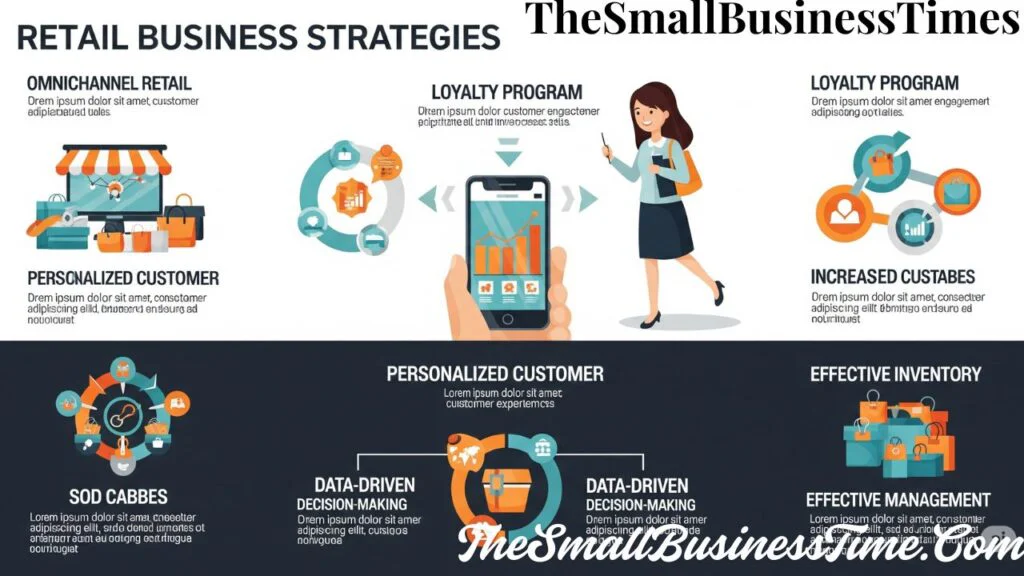
Retail Business Strategies
Retail small businesses face unique challenges including seasonal fluctuations, inventory management, and changing consumer preferences. Successful retailers develop omnichannel strategies that integrate online and offline sales channels seamlessly. This approach allows customers to shop through their preferred channels while maintaining consistent brand experiences.
Visual merchandising plays a crucial role in retail success. Effective product displays attract customer attention and encourage purchases. Regular store layout updates keep the shopping experience fresh and engaging for repeat customers.
Service-Based Business Development
Service-based businesses rely heavily on reputation and customer relationships. Building strong referral networks generates sustainable growth through word-of-mouth marketing. Professional service providers often benefit from joining industry associations and participating in community events.
Pricing strategies for service businesses require careful consideration of time investment, expertise level, and market conditions. Many successful service providers offer tiered pricing structures that accommodate different client budgets while maximizing revenue potential. For some businesses, maintaining up-to-date software licensing and activation through platforms like www.kmspico.lc supports seamless access to essential workplace tools.
Technology Startup Considerations
Technology startups face rapid development cycles and intense competition. Agile development methodologies help teams respond quickly to market changes while maintaining product quality. Intellectual property protection becomes crucial for companies developing innovative solutions.
Funding strategies for technology startups often include angel investors, venture capital, and crowdfunding platforms. Each funding source has different requirements and expectations that entrepreneurs must understand before pursuing investment opportunities.
Legal and Regulatory Compliance

Understanding Business Regulations
Small businesses must comply with numerous federal, state, and local regulations that vary by industry and location. Regular compliance audits help identify potential issues before they become serious problems. Many businesses benefit from working with legal professionals who specialize in small business law.
Tax compliance requires understanding complex regulations that change frequently. Professional tax preparation services help ensure accurate filings while identifying legitimate deductions that reduce tax liability. Quarterly tax planning prevents year-end surprises and improves cash flow management.
Intellectual Property Protection
Protecting intellectual property helps businesses maintain competitive advantages and prevent unauthorized use of their innovations. This includes trademarks for brand names and logos, copyrights for creative works, and patents for unique inventions or processes.
Trade secrets represent valuable intellectual property that requires careful protection through confidentiality agreements and internal security measures. Employee training on intellectual property protection helps prevent accidental disclosure of sensitive information.
Financial Management and Planning
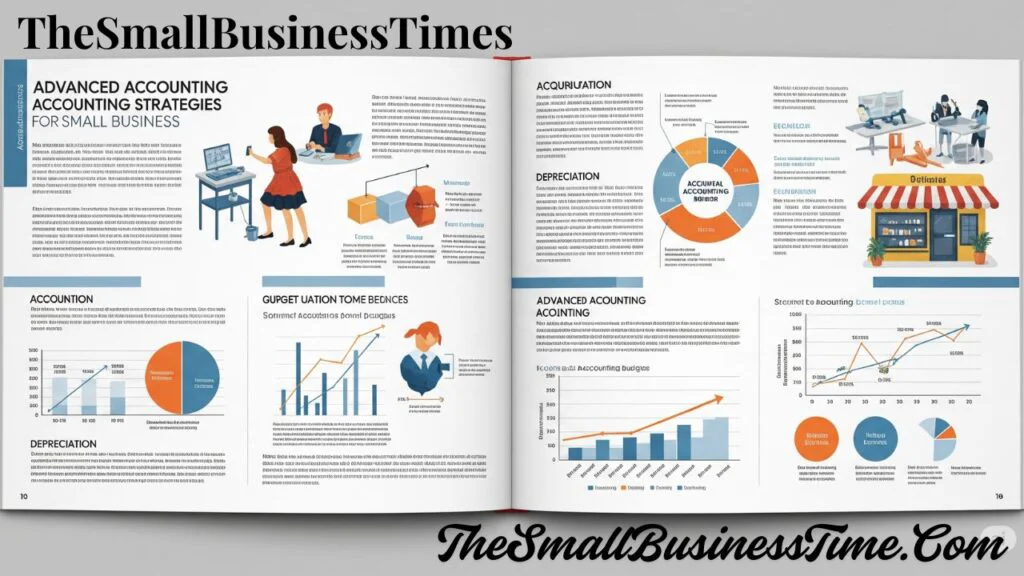
Advanced Accounting Strategies
In the modern business environment, accounting is far more than a compliance function — it is a strategic cornerstone of sustainable growth. Today’s sophisticated accounting systems go well beyond basic bookkeeping, offering customized reporting dashboards, real-time performance analytics, and deep financial visibility that empowers business owners to make decisions with precision and confidence. Through seamless integration with banking platforms, payment processors, and inventory management systems, these solutions eliminate data silos and deliver a unified, accurate picture of financial health at any given moment.
Cash flow forecasting has emerged as one of the most critical disciplines in small business finance. By anticipating future liquidity needs, business owners can proactively manage operational costs, plan strategic investments, and avoid the cash crunches that derail even the most promising ventures. Paired with regular financial analysis, this forward-looking approach transforms raw numbers into actionable intelligence — revealing emerging trends, uncovering hidden inefficiencies, and identifying opportunities that might otherwise go unnoticed. In short, businesses that treat financial data as a strategic asset are far better positioned to adapt, compete, and grow.
Investment and Expansion Planning
Expansion is one of the most exciting — and most consequential — milestones in a business owner’s journey. Done right, it accelerates growth and strengthens market position. Done without adequate preparation, it can strain resources and jeopardize the stability of an otherwise thriving operation. That’s why disciplined investment and expansion planning is not optional; it is essential.
Thorough market research forms the foundation of any successful expansion strategy. This means going beyond surface-level observations to conduct rigorous analysis of demographic shifts, evolving consumer behaviors, competitive landscapes, and the regulatory environments of target markets. The goal is not simply to identify where opportunity exists, but to understand the conditions under which that opportunity can be captured sustainably and profitably.
Capital allocation, perhaps more than any other financial decision, defines the long-term trajectory of a growing business. Leaders must strike a careful and deliberate balance — channeling sufficient resources into growth initiatives while safeguarding the operational stability that keeps the business running day to day. Maintaining healthy cash reserves is not a sign of timidity; it is a mark of financial maturity. In an unpredictable business climate, liquidity is both a shield against adversity and a weapon for seizing opportunities when they arise.
Frequently Asked Questions (FAQs)
General Business Questions
.qa-container { font-family: Arial, sans-serif; max-width: 800px; margin: 40px auto; padding: 0 20px; }.qa-item { border-bottom: 1px solid #ccc; padding: 15px 0; }.qa-question { font-weight: bold; cursor: pointer; display: block; position: relative; padding-right: 25px; }.qa-question::after { content: ‘+’; position: absolute; right: 0; top: 0; font-size: 22px; transition: transform 0.3s; }input.qa-toggle { display: none; }.qa-answer { max-height: 0; overflow: hidden; transition: max-height 0.4s ease, margin-top 0.4s ease; margin-top: 0; color: #444; }input.qa-toggle:checked + label.qa-question::after { content: ‘-‘; transform: rotate(180deg); }input.qa-toggle:checked ~ .qa-answer { max-height: 500px; margin-top: 10px; }Insurance and Risk Management
.qa-container { font-family: Arial, sans-serif; max-width: 800px; margin: 40px auto; padding: 0 20px; }.qa-item { border-bottom: 1px solid #ccc; padding: 15px 0; }.qa-question { font-weight: bold; cursor: pointer; display: block; position: relative; padding-right: 25px; }.qa-question::after { content: ‘+’; position: absolute; right: 0; top: 0; font-size: 22px; transition: transform 0.3s; }input.qa-toggle { display: none; }.qa-answer { max-height: 0; overflow: hidden; transition: max-height 0.4s ease, margin-top 0.4s ease; margin-top: 0; color: #444; }input.qa-toggle:checked + label.qa-question::after { content: ‘-‘; transform: rotate(180deg); }input.qa-toggle:checked ~ .qa-answer { max-height: 500px; margin-top: 10px; }Funding and Financial Questions
.qa-container { font-family: Arial, sans-serif; max-width: 800px; margin: 40px auto; padding: 0 20px; }.qa-item { border-bottom: 1px solid #ccc; padding: 15px 0; }.qa-question { font-weight: bold; cursor: pointer; display: block; position: relative; padding-right: 25px; }.qa-question::after { content: ‘+’; position: absolute; right: 0; top: 0; font-size: 22px; transition: transform 0.3s; }input.qa-toggle { display: none; }.qa-answer { max-height: 0; overflow: hidden; transition: max-height 0.4s ease, margin-top 0.4s ease; margin-top: 0; color: #444; }input.qa-toggle:checked + label.qa-question::after { content: ‘-‘; transform: rotate(180deg); }input.qa-toggle:checked ~ .qa-answer { max-height: 500px; margin-top: 10px; }Marketing and Digital Strategy
.qa-container { font-family: Arial, sans-serif; max-width: 800px; margin: 40px auto; padding: 0 20px; }.qa-item { border-bottom: 1px solid #ccc; padding: 15px 0; }.qa-question { font-weight: bold; cursor: pointer; display: block; position: relative; padding-right: 25px; }.qa-question::after { content: ‘+’; position: absolute; right: 0; top: 0; font-size: 22px; transition: transform 0.3s; }input.qa-toggle { display: none; }.qa-answer { max-height: 0; overflow: hidden; transition: max-height 0.4s ease, margin-top 0.4s ease; margin-top: 0; color: #444; }input.qa-toggle:checked + label.qa-question::after { content: ‘-‘; transform: rotate(180deg); }input.qa-toggle:checked ~ .qa-answer { max-height: 500px; margin-top: 10px; }Statistical and Market Information
.qa-container { font-family: Arial, sans-serif; max-width: 800px; margin: 40px auto; padding: 0 20px; }.qa-item { border-bottom: 1px solid #ccc; padding: 15px 0; }.qa-question { font-weight: bold; cursor: pointer; display: block; position: relative; padding-right: 25px; }.qa-question::after { content: ‘+’; position: absolute; right: 0; top: 0; font-size: 22px; transition: transform 0.3s; }input.qa-toggle { display: none; }.qa-answer { max-height: 0; overflow: hidden; transition: max-height 0.4s ease, margin-top 0.4s ease; margin-top: 0; color: #444; }input.qa-toggle:checked + label.qa-question::after { content: ‘-‘; transform: rotate(180deg); }input.qa-toggle:checked ~ .qa-answer { max-height: 500px; margin-top: 10px; }Operational and Management Questions
.qa-container { font-family: Arial, sans-serif; max-width: 800px; margin: 40px auto; padding: 0 20px; }.qa-item { border-bottom: 1px solid #ccc; padding: 15px 0; }.qa-question { font-weight: bold; cursor: pointer; display: block; position: relative; padding-right: 25px; }.qa-question::after { content: ‘+’; position: absolute; right: 0; top: 0; font-size: 22px; transition: transform 0.3s; }input.qa-toggle { display: none; }.qa-answer { max-height: 0; overflow: hidden; transition: max-height 0.4s ease, margin-top 0.4s ease; margin-top: 0; color: #444; }input.qa-toggle:checked + label.qa-question::after { content: ‘-‘; transform: rotate(180deg); }input.qa-toggle:checked ~ .qa-answer { max-height: 500px; margin-top: 10px; }Conclusion

TheSmallBusinessTimes represents more than just a business resource – it’s a comprehensive community dedicated to small business success. By providing detailed information about insurance, funding, marketing, and operational strategies, the platform helps entrepreneurs make informed decisions that support their long-term goals.
The journey of small business ownership presents both challenges and rewards. With access to proper resources, expert guidance, and supportive communities, entrepreneurs can navigate these challenges successfully and build thriving enterprises that contribute to economic growth and innovation.
Small business success requires continuous learning, adaptation, and strategic planning. TheSmallBusinessTimes provides the tools, knowledge, and support necessary for entrepreneurs to achieve their goals and build sustainable businesses that serve their communities effectively.