Fiona Trott: Biography, BBC Journalism Career, Education and Personal Life
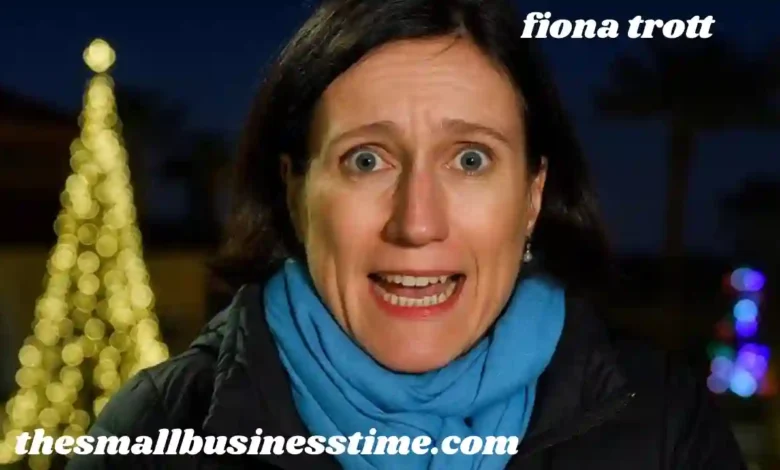
Introduction to Fiona Trott
Fiona Trott is a British journalist known for her work with the BBC and her role as a correspondent covering stories from across northern England. Over the years, she has developed a professional reputation through broadcast journalism, reporting, and communicating important developments to audiences. Her work reflects the demands of modern news reporting, where accuracy, clear explanations, and the ability to respond quickly to changing situations are essential.
Interest in Fiona Trott extends beyond her television appearances. Readers searching for Fiona Trott often want to learn about her professional background, education, career progression, reporting responsibilities, and personal life. Others are curious about how a correspondent develops the experience required to cover major public issues and explain complicated events to a broad audience.
Although her professional work is publicly visible, some details about her private life are not widely established through reliable public information. It is therefore important to distinguish between documented career information and claims that are based on speculation. A useful biography should explain what is known about her work while avoiding unsupported statements about her age, family, relationships, finances, or other personal matters.
Fiona Trott’s career offers an opportunity to explore the responsibilities of a BBC correspondent, the importance of regional journalism, and the skills needed to communicate news effectively. Her professional experience also illustrates why experienced reporters remain valuable in a media environment increasingly shaped by digital publishing, social platforms, and rapidly developing stories.
Who Is Fiona Trott?
Fiona Trott is a journalist associated with the British Broadcasting Corporation, widely known as the BBC. She has been identified as the BBC’s North of England Correspondent and has worked across broadcast journalism. Her professional profile places her within a news organisation that serves audiences through television, radio, and digital reporting.
A correspondent’s responsibilities extend beyond appearing in front of a camera. The role can involve identifying important developments, speaking with people directly affected by events, gathering evidence, checking claims, interviewing relevant sources, and explaining why a story matters. Reporters must also distinguish between confirmed facts and information that remains uncertain.
These responsibilities are particularly important when reporting on regional affairs. Events that initially appear local can have consequences for national policy, public services, businesses, the environment, and communities. An experienced correspondent helps audiences understand these connections without losing sight of the people affected by the story.
Fiona Trott’s association with the BBC has made her name relevant to viewers interested in British news and journalism. Her work is part of a broader reporting system that brings regional developments to national attention and helps audiences understand the circumstances behind major headlines.
It is equally important to recognise the limits of publicly available biographical information. A journalist’s professional profile may establish their employer and job title without confirming every detail of their background. A responsible account of Fiona Trott should therefore focus on her documented career and the professional responsibilities associated with her role.
Fiona Trott and Her Career at the BBC
Fiona Trott has been associated with the BBC since 1997, according to published biographical information. This long professional connection places her among journalists with substantial experience in British broadcasting. Working in news over an extended period requires the ability to adapt to changing editorial priorities, new technologies, and the evolving expectations of audiences.
The BBC operates across several platforms, meaning its journalists may contribute to television reports, radio programmes, online articles, and other forms of news coverage. Each format presents different challenges. A television report must communicate clearly through both images and spoken explanation, while radio depends heavily on sound and descriptive language. Online journalism may allow more space for background information, updates, and additional context.
A journalist working across these formats needs strong research skills and an understanding of how audiences consume information. The same event may require a short broadcast update, a longer interview, and a detailed written report. Each version must remain accurate while meeting the needs of its particular audience.
Long-term experience also helps journalists understand the importance of preparation. Before reporting on an unfamiliar subject, they may need to review documents, consult specialists, identify relevant background information, and determine which questions remain unanswered. This groundwork helps prevent confusion and makes reporting more useful.
Fiona Trott’s professional association with the BBC is therefore an important part of her public profile. It provides context for searches about her career and explains why audiences may encounter her name when following British news.
Fiona Trott as North of England Correspondent
The role of North of England Correspondent places regional reporting at the centre of Fiona Trott’s professional identity. Northern England contains communities with different economic conditions, histories, industries, public services, and local concerns. Covering this broad area requires an understanding of regional differences rather than treating the entire region as a single, uniform place.
A correspondent covering northern England may report on local government decisions, employment, education, healthcare, transport, environmental concerns, business developments, and significant community events. The precise subjects covered depend on the news agenda and the circumstances of each assignment.
Regional reporting is valuable because national headlines do not always explain how decisions affect individual towns and cities. A change in public spending, for example, may have different consequences for a large city, a former industrial community, and a rural area. Local reporting can help audiences understand those differences through interviews, evidence, and on-the-ground observations.
The correspondent’s job is not simply to describe an event. It is also to explain the wider context, identify the people affected, and establish what is known about the consequences. That work can involve conversations with residents, public officials, business representatives, experts, and organisations responsible for delivering services.
For audiences, the benefit is a more complete understanding of the region’s news. Stories that begin in one community may reveal broader questions about national policy, economic development, social inequality, or environmental protection. Regional correspondents help connect those local experiences with issues that matter across the country.
Fiona Trott’s Journalism Experience and Professional Development
Building a career in journalism requires more than an ability to speak confidently. Journalists need to research subjects, evaluate information, ask precise questions, communicate under pressure, and understand the difference between an allegation and an established fact. They must also be prepared to correct mistakes when new evidence changes the picture.
Professional development in broadcasting often involves learning from experienced editors, working with production teams, understanding newsroom procedures, and gaining experience in different reporting environments. Early assignments can provide opportunities to develop interviewing techniques, writing skills, and an understanding of how news organisations verify information.
As a journalist gains experience, assignments may become more complex. Reporting on a major public event can require rapid coordination with editors and producers, careful handling of conflicting accounts, and the ability to explain unfamiliar details to an audience with limited background knowledge.
Experience can also improve a reporter’s ability to recognise which questions deserve further investigation. A statement from an official source may be relevant, but it may need to be compared with documents, independent evidence, or the experiences of people directly affected. Good reporting involves examining information rather than simply repeating it.
Fiona Trott’s long-standing association with the BBC provides a professional context for understanding her career. However, specific claims about individual promotions, awards, or assignments should be supported by reliable records rather than assumed from her seniority or length of service.
The Importance of Regional Journalism in Britain
Regional journalism plays a significant role in informing the public about events that might otherwise receive limited national attention. Communities need reliable information about decisions affecting transport, schools, hospitals, employment, housing, public safety, and local development.
A correspondent working in northern England operates within a region containing major urban centres, smaller towns, coastal communities, and rural areas. Their reporting can help explain how different communities experience the same national issue in different ways.
Consider the example of an environmental incident. A brief headline might describe the incident and identify its location. A more complete report would examine what happened, what authorities know, whether residents are affected, what experts say about the risks, and what steps are being taken to address the problem. These details help the public understand the situation rather than merely learn that an event occurred.
Regional journalism also creates opportunities for people to have their experiences heard. Residents may possess information about the practical consequences of a decision that is not immediately apparent in official statements. Responsible reporting can bring those experiences into the public discussion while checking claims and maintaining fairness.
Another important function is accountability. Journalists can ask public bodies to explain their decisions, examine whether promises have been fulfilled, and investigate discrepancies between official claims and available evidence. This work contributes to informed public debate.
Fiona Trott’s role as a regional correspondent fits into this wider tradition of British journalism. The importance of such work lies not only in delivering breaking news but also in providing the background that allows audiences to understand its significance.
Fiona Trott’s Reporting Style and Communication Skills
A successful broadcast report must be understandable to people with different levels of knowledge. News audiences may include specialists who follow an issue closely and viewers encountering it for the first time. Journalists must explain essential facts without making a report unnecessarily complicated.
Clear communication begins with identifying the main question. What happened? Who is affected? What evidence is available? Why does the event matter? What remains unknown? These questions help organise a report and keep the focus on information the audience needs.
Accuracy is equally important. Developing stories can change as authorities release new information or witnesses provide additional accounts. A responsible journalist must make clear when information is provisional and avoid presenting early reports as final conclusions.
Broadcast reporting also involves practical communication skills. A correspondent may need to deliver information in a limited amount of time, respond to questions from presenters, or explain complex developments while working in challenging conditions. Preparation and a sound understanding of the subject make these tasks easier.
Fairness requires careful treatment of different perspectives. When a story involves disagreement, a journalist should represent relevant positions accurately while considering the quality of the evidence behind them. Fair reporting does not mean treating every claim as equally credible; it means assessing claims carefully and explaining the available evidence.
These principles provide a useful framework for understanding the work of experienced BBC correspondents, including Fiona Trott. Rather than making unsupported claims about her personal methods, it is more informative to consider the professional standards required in the type of journalism with which she is associated.
Fiona Trott’s Education and Academic Background
Education is a common subject of interest for people researching journalists. Academic study can help develop analytical thinking, research habits, writing ability, and an understanding of society. However, journalism is also a profession in which practical experience and professional training play important roles.
Public professional information associates Fiona Trott with Durham University. Some biographical accounts also identify European Studies with French as her field of study and postgraduate radio journalism training at Darlington College. These details are reported in secondary biographical sources, so readers should distinguish them from information confirmed directly by an official institutional biography.
Studying a subject such as European Studies can provide exposure to politics, international relations, culture, and the ways institutions operate. Language study can also help students understand communication across different cultural settings. Such academic interests may be relevant to journalism, although a person’s degree alone does not establish their specific reporting skills or professional specialisation.
Journalism training may include news writing, interviewing, broadcast presentation, audio production, research, and editorial standards. Practical exercises can teach students how to structure a report, identify reliable sources, and communicate information under time constraints.
For aspiring journalists, the broader lesson is that education provides a foundation rather than a complete career plan. Reading widely, following current affairs, learning to verify claims, and practising clear writing can all help develop professional skills.
A careful biography of Fiona Trott should avoid adding unconfirmed details about qualifications or academic achievements. Where educational information comes from secondary accounts, it is best presented with appropriate caution.
Fiona Trott’s Work Across Television, Radio and Digital News
Modern journalism requires flexibility because audiences access news in several ways. Television remains useful for visual reporting, interviews, and live coverage. Radio provides a direct listening experience that can reach people while they travel or work. Digital news allows readers to revisit information, follow updates, and explore background details.
A journalist who contributes to multiple formats must understand how the same information should be presented in different ways. A television report may depend on carefully selected images and a concise spoken explanation. A radio report needs descriptive language that allows listeners to picture the situation. A written article can include more detailed chronology, supporting context, and explanations of technical terms.
Digital reporting has also changed the speed at which information circulates. Newsrooms may publish updates as a story develops, but speed must not replace verification. An incorrect early claim can spread widely before it is corrected, particularly when audiences share headlines without reading the full report.
Social media has added another challenge. Videos, photographs, and eyewitness accounts can provide valuable leads, but they may lack context or be presented inaccurately. Journalists must establish where material originated, when it was recorded, and whether it genuinely relates to the event being reported.
The BBC’s multi-platform environment provides the professional setting in which correspondents work with these challenges. Fiona Trott’s association with broadcast journalism makes these developments relevant to understanding her professional field.
The wider lesson is that effective journalism depends on more than publishing quickly. It requires the ability to gather information, assess its reliability, explain uncertainty, and adapt the presentation to different audiences without changing the underlying facts.
Fiona Trott’s Personal Life, Family and Relationships
Interest in Fiona Trott’s personal life is understandable because viewers often become familiar with journalists through regular news coverage. People may search for information about her family, marital status, partner, children, or life outside broadcasting.
However, public visibility does not mean every personal detail is available or appropriate to publish. Reliable public information about Fiona Trott’s family and relationships is limited. Without a clear statement from her or dependable documentation, claims about whether she is married, whether she has children, or who her relatives are should not be treated as established facts.
Maintaining a boundary between professional and personal life is common among journalists. Their work may involve public scrutiny, challenging interviews, and reporting on sensitive events, but that does not automatically make their private relationships relevant to their professional responsibilities.
Readers should also be cautious of websites that present highly specific personal details without identifying credible evidence. Repeated claims across low-quality websites do not necessarily provide independent confirmation, especially when several articles appear to repeat the same original speculation.
A responsible account of Fiona Trott focuses on information relevant to her public career. It acknowledges curiosity about her background while respecting the distinction between information she has made public and details that remain private.
This approach produces a more dependable biography and avoids turning uncertain personal information into misleading claims.
Fiona Trott’s Age and Date of Birth
Age is another frequent subject in searches for public figures. Readers may want to know when a journalist was born or how old they are today. For Fiona Trott, a reliably confirmed public date of birth is not established in the biographical information discussed here.
It would be misleading to provide an exact age based only on estimates derived from career length, university attendance, or photographs. People begin their education and professional careers at different ages, so those details cannot establish a birth year with certainty.
A journalist’s age is also not a measure of professional ability. Experience, preparation, subject knowledge, ethical judgment, and the quality of published work are more meaningful factors when assessing a reporting career.
When a reliable biography or direct public statement confirms an individual’s date of birth, an age can be calculated from that information. Until then, the most accurate approach is to acknowledge that the detail has not been firmly verified.
For readers researching Fiona Trott, this distinction is important because search results may contain conflicting figures. A cautious article should not repeat a specific age simply because another website has published it without sufficient evidence.
Fiona Trott’s Salary and Net Worth
Questions about salary and net worth are common when readers research journalists who work for major broadcasters. People may wonder how experienced correspondents are paid, what senior newsroom positions earn, or how a long career affects someone’s financial position.
However, Fiona Trott’s exact salary and personal net worth are not established by reliable figures in the information available for this article. Estimates published without documentary support should not be presented as confirmed financial facts.
A journalist’s compensation can depend on the organisation’s pay structure, job responsibilities, employment terms, experience, and other factors. Public-sector and media organisations may publish certain salary information for particular senior roles, but this does not mean that every employee’s individual earnings are publicly disclosed.
Net worth is a separate measure. It generally refers to assets minus liabilities, and determining it accurately requires information about savings, property, investments, debts, and other financial interests. A person’s job title alone cannot establish that total.
Readers should therefore treat online claims about Fiona Trott’s wealth with caution unless the figures are supported by dependable evidence. An unsupported estimate may sound precise without reflecting the person’s actual financial circumstances.
The most reliable conclusion is that her confirmed public profile is centred on journalism rather than publicly documented personal wealth.
Challenges and Responsibilities of a BBC Correspondent
Journalism can be demanding because news does not always develop according to a predictable schedule. A correspondent may need to respond to breaking events, travel at short notice, interview people facing difficult circumstances, and explain complicated developments while information is still emerging.
Time pressure is one of the profession’s most obvious challenges. A newsroom needs timely information, but a correspondent must still check details and avoid repeating claims that have not been verified. The pressure to publish quickly can make sound editorial judgment especially important.
Emotional demands can also arise when reporting on disasters, serious crimes, public emergencies, or other events affecting vulnerable people. Journalists must approach such stories with care, respect the privacy of those involved where appropriate, and avoid sensationalising suffering.
Another challenge is the amount of conflicting information that may circulate during a major event. Officials, witnesses, organisations, and online commentators may provide different accounts. A responsible report should distinguish confirmed facts from disputed claims and explain what further information is needed.
Regional correspondents must also decide which developments deserve broader attention. They work in an environment where many communities have legitimate concerns, but newsroom resources and broadcast time are limited. Editorial decisions therefore involve assessing public interest, the strength of available evidence, and the potential significance of a story.
These challenges illustrate why experience and sound editorial standards matter. They also help explain the responsibilities associated with a role such as the North of England Correspondent.
Why People Search for Fiona Trott Online
Search interest in Fiona Trott can arise from several different reasons. Some viewers may have seen her reporting during a news broadcast and want to identify the journalist. Others may be interested in her professional history, education, or role within the BBC.
A familiar television appearance can encourage people to seek more information about the person delivering the report. Readers may also want to understand the responsibilities of a correspondent or discover how someone builds a long-term career in broadcast journalism.
Search engines make it easy to find biographies, professional profiles, news articles, and discussions about public figures. However, the quality of that information varies. Some pages rely on documented career details, while others make claims about personal matters without adequate evidence.
This variation makes source evaluation essential. Readers should consider whether an article identifies where its information came from, distinguishes facts from estimates, and corrects errors when necessary. They should be particularly careful with exact figures about age, salary, or net worth when no reliable supporting evidence is provided.
For publishers, the same principle applies. A useful article should answer legitimate questions, explain what is known, acknowledge what remains uncertain, and avoid inventing details simply to make a biography appear comprehensive.
The strongest content about Fiona Trott is therefore content that offers genuine context about her career and the wider world of journalism rather than repeating unsupported personal claims.
Fiona Trott’s Professional Significance in British Media
Experienced correspondents contribute to the relationship between news organisations and the public. Their work helps audiences understand events, assess competing claims, and follow developments that may influence daily life.
Regional reporting is particularly valuable when local events reveal broader questions. A change in public transport, for example, can raise issues about accessibility, employment, economic opportunity, and public spending. An environmental incident can lead to questions about regulation, accountability, and long-term consequences. Good reporting explains these connections while remaining grounded in evidence.
Journalists also help create a public record of events. Reports, interviews, and investigations can document what happened, what different parties said, and how a situation changed over time. Such records can be useful to audiences who need to revisit a story or understand later developments.
Fiona Trott’s professional identity as a BBC correspondent places her within this tradition. Her career is relevant to readers interested in how British broadcast journalism operates and how regional stories reach a wider audience.
The value of a correspondent should not be measured solely by public recognition or the number of times their name appears in search results. It is also connected to the quality of their reporting, the clarity of their explanations, and the standards maintained by the news organisation they represent.
For anyone interested in journalism as a career, her professional profile provides a starting point for exploring the responsibilities and skills involved in reporting for a major broadcaster.
Lessons Aspiring Journalists Can Learn From Fiona Trott’s Career
People who want to become journalists can learn from the general demands of a long career in broadcasting. Although individual career paths differ, several principles are relevant to anyone hoping to work in news.
First, develop strong research habits. A journalist must be able to find relevant information, evaluate its reliability, and identify gaps in the available evidence. Reading original documents and checking claims against independent sources can help build these skills.
Second, practise clear writing and speaking. News audiences often have limited time, so a good report should explain its main point without unnecessary complexity. Clear communication is not about removing important detail; it is about presenting that detail in an understandable order.
Third, learn to ask useful questions. Effective interviews move beyond prepared statements and explore what a source knows, what evidence supports their claims, and what remains unresolved. Respectful but persistent questioning can help uncover information that a superficial conversation might miss.
Fourth, understand editorial responsibility. Publishing information can affect real people, particularly when a story involves allegations, emergencies, or private circumstances. Accuracy, fairness, context, and careful treatment of sensitive information are central to responsible journalism.
Finally, remain adaptable. News formats, audience habits, and reporting technologies change over time. Journalists need to learn new tools while preserving the fundamental purpose of their work: providing reliable information that helps people understand the world around them.
Fiona Trott’s association with a major broadcaster and her long professional history make her relevant to discussions about these career principles. The lessons themselves apply broadly across journalism, regardless of employer or medium.
Conclusion: Fiona Trott’s Career and Public Profile
Fiona Trott is known for her work as a BBC journalist and North of England Correspondent. Her professional history, which dates back to the late 1990s according to published biographical information, places her within the changing landscape of British broadcast journalism.
Her role provides a useful example of the importance of regional reporting. Correspondents help audiences understand local developments, examine the consequences of public decisions, and connect community experiences with wider national issues. Their work requires research, clear communication, sound judgment, and a commitment to accuracy.
Interest in Fiona Trott also demonstrates how audiences use search engines to learn about journalists they encounter in the news. While career information can help explain a person’s public role, details about age, family, relationships, salary, and net worth should only be included when they can be supported by dependable evidence.
A balanced biography does not need to speculate about private matters to be informative. By concentrating on professional responsibilities, journalism standards, and the value of regional news, readers can develop a clearer understanding of Fiona Trott and the field in which she works.
Ultimately, Fiona Trott’s public profile is best understood through her association with BBC journalism and the responsibilities of reporting on northern England. Her career provides a starting point for anyone interested in British media, the work of news correspondents, or the skills required to communicate important events accurately.
Frequently Asked Questions About Fiona Trott
1. Who is Fiona Trott?
Fiona Trott is a British journalist associated with the BBC. She is known for her work as the broadcaster’s North of England Correspondent and for her professional experience in news reporting.
2. What does Fiona Trott do at the BBC?
Fiona Trott is identified as the BBC’s North of England Correspondent. The role involves reporting on regional developments and helping audiences understand stories affecting communities across northern England.
3. When did Fiona Trott join the BBC?
Published biographical information states that Fiona Trott joined the BBC in 1997. This provides a general indication of the length of her broadcasting career.
4. What is Fiona Trott’s educational background?
Secondary biographical accounts associate Fiona Trott with Durham University and postgraduate radio journalism training at Darlington College. Specific qualifications should be checked against dependable institutional or professional records.
5. Is Fiona Trott married?
Her marital status is not established by the reliable public information discussed in this article. Claims about her relationships should not be treated as facts without credible confirmation.
6. How old is Fiona Trott?
A reliably confirmed date of birth has not been established in the information used here. It would therefore be inappropriate to state an exact age without stronger evidence.
7. What is Fiona Trott’s net worth?
Fiona Trott’s exact net worth is not publicly verified in the information available for this article. Online estimates should be treated cautiously unless supported by reliable financial evidence.
8. Why is Fiona Trott known to British audiences?
She is known through her work with the BBC, particularly her role covering northern England. Regional correspondents help audiences understand local events and their wider implications.
9. Does Fiona Trott work only on television?
The BBC operates across television, radio, and digital news. Fiona Trott is associated with broadcast journalism, but the precise range of her current assignments should be confirmed through reliable professional information.
10. Why is Fiona Trott’s work relevant to journalism?
Her professional role illustrates the importance of regional reporting, accurate news gathering, and clear explanations of events affecting communities. These responsibilities are central to public-service journalism.
ALSO READ : Declan Mone: Biography, Age, Family Background, Career, Education, and Personal Life